
Recruiting and Keeping Good Plumbers in a Tight Labor Market
A sourcing, interviewing, and retention framework for building a plumbing team that doesn't churn every time a competitor offers a dollar more an hour.
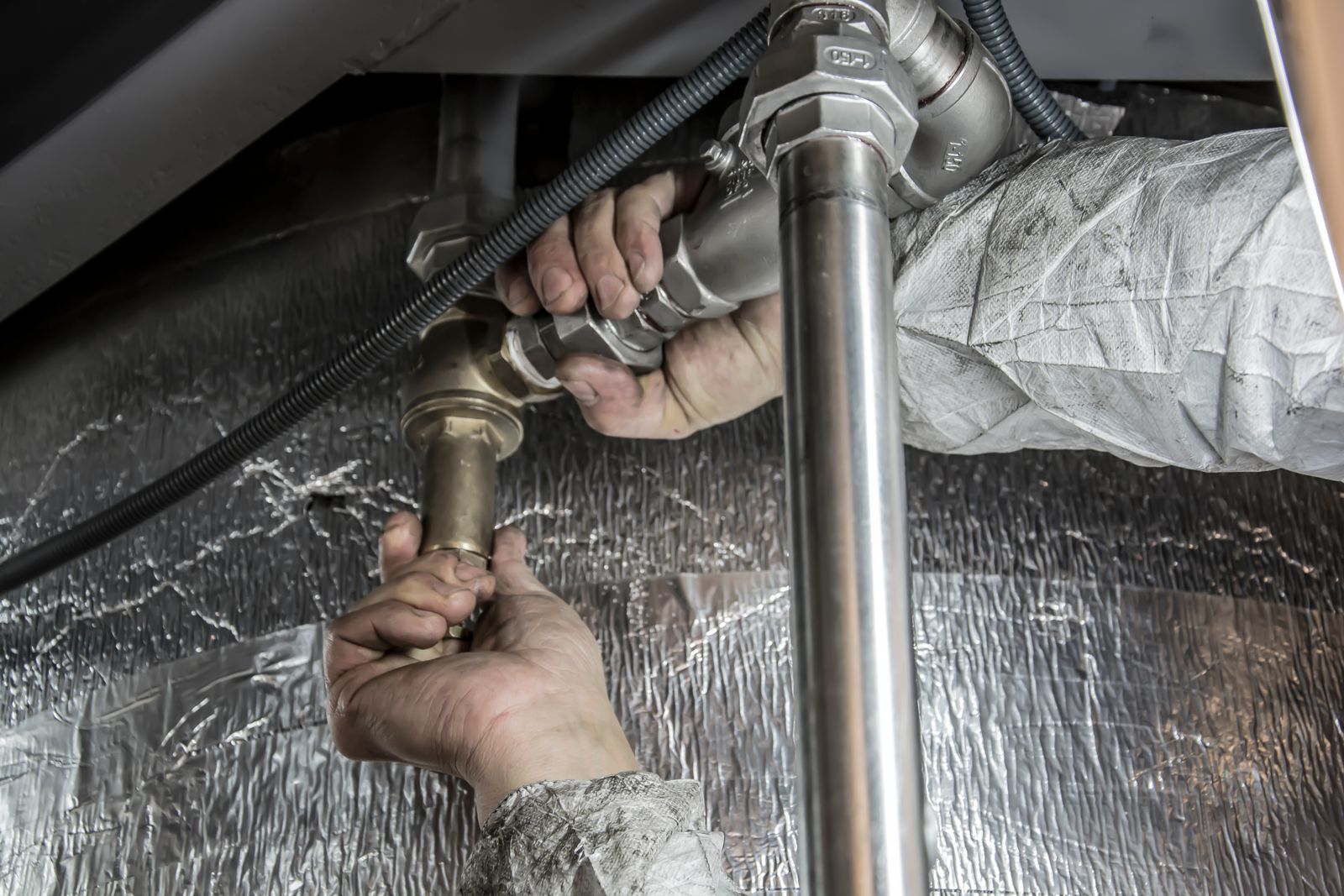
## The Real Competition Isn't Just Other Plumbing Shops
Skilled plumbers have options outside the trade entirely, and inside it every shop in your market is chasing the same shrinking pool of licensed and experienced techs. Winning that competition isn't just about matching the highest hourly rate you've heard of. It's about building a shop good techs actually want to stay at, because churn is expensive in ways that don't show up on a single line of the P&L: lost institutional knowledge, retraining cost, and the customer relationships a departing tech takes with them.
Roughly how many inbound calls do you take in a week?
Tap to start. 5 quick questions, then see your monthly number.
## 1. Widen the Sourcing Funnel Beyond Job Boards
Job board posts alone tend to attract the techs who are already actively looking, often because something went wrong at their current shop. Build a wider, steadier funnel:
- Trade school and apprenticeship relationships - visit local trade programs, offer to speak or host a shop tour, and stay in touch with instructors who can flag strong students before they graduate. - Employee referral bonus - your current best techs know other good techs. A meaningful referral bonus paid out after the new hire passes a probationary period (not on day one) aligns the incentive correctly. - Apprentice-to-journeyman pipeline - hiring apprentices and investing in their path to licensure builds loyalty that's hard for a competitor to poach with a signing bonus alone, since you're the one who trained them. - Passive sourcing - keep a running list of solid techs you've met through suppliers, inspectors, or even competitors' crews on shared jobsites, and stay on friendly terms for when timing changes.
## 2. Interview for More Than Technical Skill
Technical competency is necessary but not sufficient. A tech who's great with pipe but poor with customers, or who can't be trusted to represent the company alone in someone's home, creates a different kind of cost.
### A Simple Interview Structure
1. Technical screen - practical questions or a hands-on assessment relevant to your actual job mix (residential service, new construction, commercial, etc.). 2. Customer scenario questions - "walk me through how you'd explain a $2,000 repair to a skeptical homeowner" reveals communication skill directly. 3. Reliability check - verify licensing, check references specifically about attendance and follow-through, not just skill. 4. Culture fit conversation - a two-way conversation about what they're looking for in a shop and what you actually offer, done honestly, prevents an expensive mis-hire on both sides.
## 3. Build a Real Onboarding Process
New techs who are handed a truck and an address on day one, with no structured ramp, either flounder or leave within months. A basic 30/60/90 structure works well:
- First 30 days: paired with a senior tech, shadow and assist rather than run solo calls. - 30 to 60 days: run simpler solo calls (routine repairs, maintenance visits) with a senior tech available by phone. - 60 to 90 days: full solo dispatch with a scheduled check-in to review how the ramp went and address any gaps.
## 4. Retention Is a System, Not a Single Raise
Pay matters, but techs also leave over things a raise doesn't fix: bad trucks, disorganized dispatch, no path forward, or a culture where mistakes are punished instead of coached. Build retention across several levers at once:
- Compensation structure - combine a solid base with performance incentives (completed jobs, upsell of tiered options, membership enrollments) so top performers can clearly out-earn average ones. - Tools and trucks - a well-stocked, well-maintained truck is a daily quality-of-life factor techs notice immediately, and its absence is a common complaint that pushes people out the door. - Career path - a visible track from apprentice to journeyman to lead tech to (for the right people) a role training others or moving toward service management gives ambitious techs a reason to stay rather than start their own shop. - Recognition - regularly acknowledging strong performance, in front of peers, costs nothing and retains more than people expect.
## 5. Watch for Early Churn Warning Signs
- A noticeable drop in a tech's average ticket or close rate (often a sign of disengagement before someone quits) - Increased no-shows or last-minute schedule changes - A tech who stops volunteering for on-call or overtime they used to take willingly
A quick, informal check-in when you spot these signs is far cheaper than losing the tech and starting the recruiting funnel over.
## Recruiting and Retention Checklist
- [ ] Sourcing funnel includes trade schools, referrals, and an apprentice pipeline, not just job boards - [ ] Interviews assess customer communication and reliability, not only technical skill - [ ] Structured 30/60/90 onboarding is in place for every new hire - [ ] Compensation includes performance incentives on top of base pay - [ ] Trucks and tools are maintained to a standard techs actually notice - [ ] A visible career path exists beyond "stay a service tech forever"
The shops that win the labor market long-term aren't always the ones paying the single highest rate. They're the ones where a good tech, once in, has real reasons not to leave.
Most shops lose more booked work at the phone than they realize. See your monthly number.
See my number →